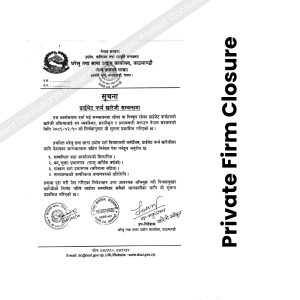
According to section 126, a company may be voluntarily liquidated if the company is solvent, the directors of the company can be removed only after the shareholders pass a Special Resolution in a General Meeting, or memorandum of associations, articles of association, or consensus agreement. The Board of Directors must provide a Declaration of Solvency, affirming that the company can pay its debts in full within 12 months. A licensed Liquidator and an Auditor must be appointed to oversee the realization of assets and the settlement of liabilities, ensuring that the process is transparent and complies with the rights of all shareholders. According to Section 132, after submitting the report of liquidation to the OCR, it will strike the name of the company off the company register and issue an order that the registration of the company has been cancelled.
Failure to formalize this dissolution leads to severe legal complications under Section 81 and Section 136. The company remains “Active” in the Office of the Company Registrar (OCR) records, accruing progressive fines for missing annual filings that can reach hundreds of thousands of rupees. Furthermore, if a company is abandoned without formal closure, the directors and shareholders may face restrictions on registering new businesses, and the Inland Revenue Department (IRD) will continue to hold the individuals accountable for outstanding tax filings and administrative penalties.