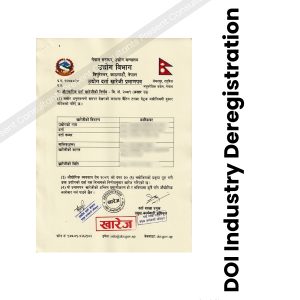
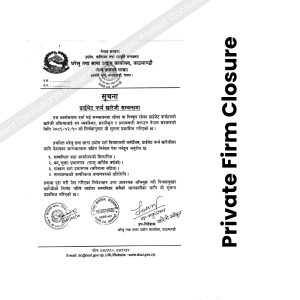
Patent Deregistration: पटेन्ट खारेजी

Patent deregistration is the formal legal process of voluntarily surrendering or cancelling a registered patent before its statutory expiry date. This procedure officially removes the patent from the records of the Department of Industry (DOI)terminating both the patentee’s exclusive rights and their ongoing regulatory obligations. 

 1,000.00

Introduction to Patent Deregistration

In simple terms, patent deregistration is the “handing back” of intellectual property rights to the state. It is a strategic administrative action taken when a patent holder no longer wishes to maintain the legal protection of a monopoly over the invention 

This is typically done to avoid the accumulation of maintenance fees for technology that is no longer commercially viable or to release an invention into the public domain to avoid potential litigation and maintenance costs. 

Legal Requirements under the Patent, Design, and Trademark Act, 2022

Under the Patent, Design, and Trademark Act, 2022, a patent holder may request the cancellation of their patent by filing a formal application with the Department. According to Section 9, the Department maintains the authority to cancel a patent if it is proved that the patent was registered in violation of the Act or if the patentee fails to pay the prescribed renewal fees. Specifically, for voluntary deregistration, the patentee must demonstrate that all administrative requirements are met and that the surrender does not infringe upon the rights of any registered licensees or third parties who may have acquired an interest in the patent. 

Failing to formally deregister or renew a patent leads to automatic lapse and legal vulnerability. Under Section 10 of the Act, if the patent is not renewed within the prescribed timeframe, the protection ceases, and the invention enters the public domain, allowing any third party to utilize the technology without compensation. Furthermore, keeping a non-viable patent “active” on paper without proper deregistration results in the continuous accrual of unpaid renewal fines. Without a formal deregistration decree, the patentee remains legally accountable for any claims or disputes arising from the patent’s status, potentially complicating future intellectual property filings. 

The Deregistration Process

Application Submission
Submit a formal petition to the Department of Industry (DOI) expressing the intent to surrender the patent including original Patent Registration Certificate and evidence of the latest renewal.
Verification and Examination
The DOI examines the status of the patent to ensure there are no ongoing legal disputes, active licenses, or unpaid and verifies that the surrender is being made by the rightful owner or an authorized legal representative.
Public Notification
Department may require a notification period to raise objections if surrender affects third party rights.
Final Cancellation Decree
Upon successful verification, the Department issues a formal Cancellation Order. The patent is then struck off the national register, and a notification is published in the IP Bulletin to inform the public that the invention is no longer protected.
Secure Your IP Strategy with Present Consultants
Navigating the complexities of the Patent, Design, and Trademark Act requires precise legal execution to avoid future liabilities. At Present Consultants Private Limited, we provide expert guidance on patent lifecycle management, ensuring your deregistration is handled efficiently and your corporate interests are protected.
Minimize your regulatory burden today. Contact our IP specialists for a clean and compliant patent exit.

Related Services