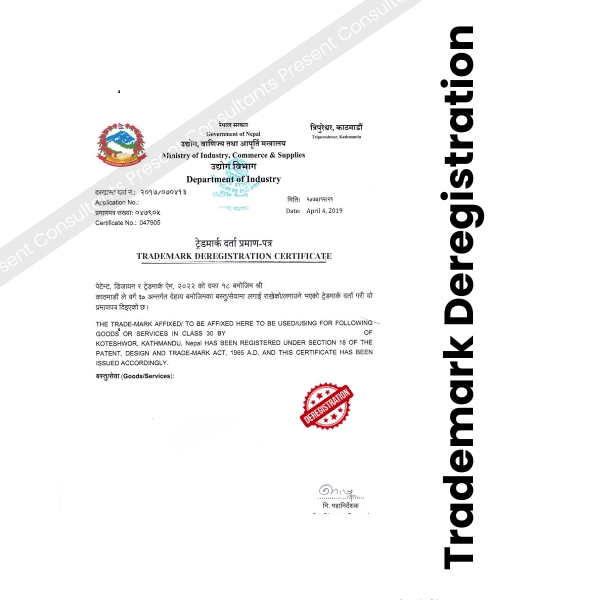
While Section 18 of the Patent, Design, and Trademark Act, 2022 primarily focuses on registration, the right to relinquish a title is a fundamental administrative prerogative of the owner. An owner may apply to the Department to have their mark removed from the register. The DOI requires that such a request be made in writing by the authorized signatory, ensuring that the surrender does not adversely affect any registered licensees or secondary stakeholders who may hold a legal interest in the mark.
Maintaining an “active” trademark that is no longer in use or intended for use can lead to unnecessary legal exposure. Under Section 19 of the Act, using a mark that has technically lapsed or is in a state of non-compliance can result in fines and administrative penalties. Furthermore, if a dormant mark is not formally deregistered, it remains a target for third-party “non-use” challenges. Without a formal surrender, the owner remains the party of record for any liabilities or legal notices related to that mark, which can complicate the registration of new, updated branding.